
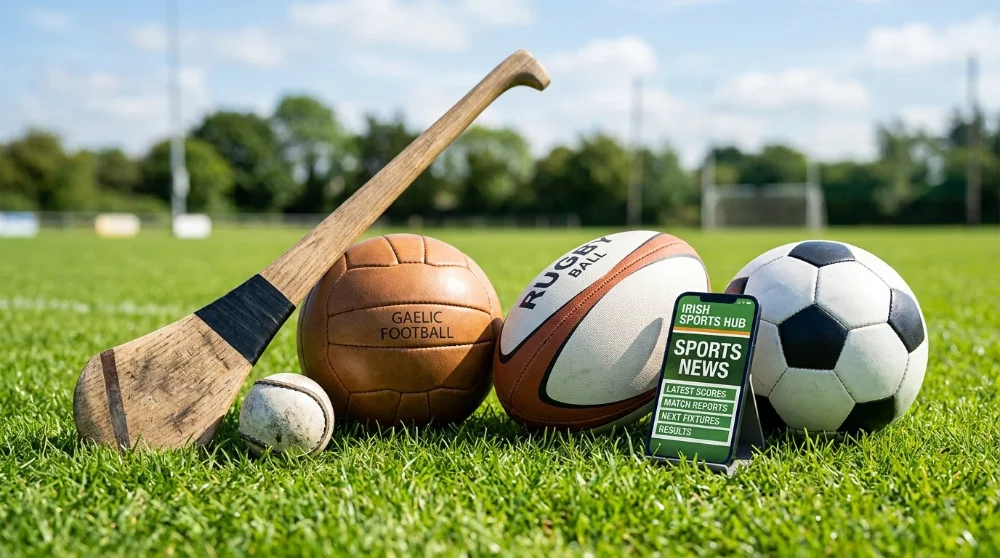
I will never forget my first Saturday morning in Dublin. I had been in the country for about two weeks, still finding my feet, still figuring out how things worked. A colleague from work had mentioned something about a “match” and asked if I wanted to come along. I said yes without really understanding what I was agreeing to.
We ended up at Croke Park. The place was packed. The noise was something else entirely, a wall of sound that I had never experienced before. People around me were shouting, singing, arguing passionately about decisions I could not even follow. I had no idea what was happening on the pitch, but I was completely caught up in it.
That was my introduction to the GAA, and to the realisation that sport in Ireland is not just something people watch. It is something they live. It is woven into the fabric of communities, of families, of the country itself.
Over time, I learned that if you want to understand Ireland, you need to understand its sport. And if you want to get involved, you need to know where to find the right information. Here are the 10 websites that helped me navigate the Irish sports scene.
1. Sport Ireland
Sport Ireland is the government body responsible for the development of sport across the country . They oversee everything from participation and coaching to high-performance sport and anti-doping. They also manage the Sport Ireland Campus in Blanchardstown, which is a major hub for training and events.
What I found useful about the Sport Ireland website is that it provides a clear overview of the national sports landscape. If you are trying to understand how sport is structured in Ireland, what funding is available for clubs, or what initiatives are running to get more people active, this is where you start.
The site also links to a network of Local Sports Partnerships (LSPs) across the country. These are local organisations that work to increase participation in sport and physical activity in their areas. When I was looking for a local running club, the LSP website was a good starting point.
2. Get Ireland Active
The Get Ireland Active website was originally created to promote the National Physical Activity Guidelines . It has since grown into a one-stop shop for physical activity information across the country .
The site provides information on opportunities for physical activity at local, regional and national levels . It also covers the benefits of being active, how to get started, and tips to stay motivated .
When I was trying to find ways to stay active after moving to a new city, this site gave me ideas I had not considered. It covers everything from walking groups to organised sports, and it is designed to appeal to people at all fitness levels.
3. Gaelic Athletic Association (GAA)
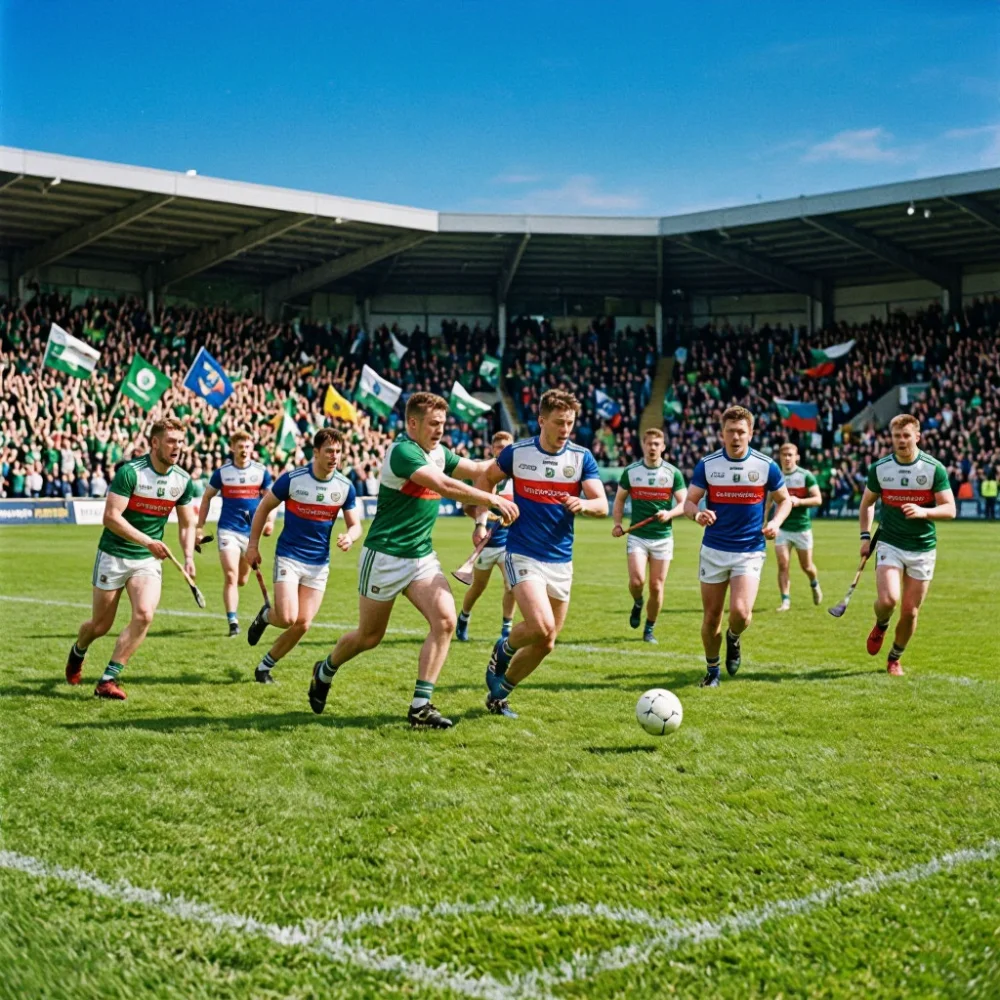
The GAA is the largest and most popular sporting organisation in Ireland, with over one million members . It is responsible for the development and organisation of Gaelic games, including hurling, Gaelic football, handball and rounders .
The GAA website is the go-to source for fixtures, results, and news about all GAA competitions. The All-Ireland Championships are the highlight of the GAA calendar . The atmosphere at those games is something else, and the GAA website is where you find all the information you need to follow along.
What I found particularly useful was the GAA website’s coverage of club-level games. If you are new to a community and want to get involved, this is where you find information about local clubs. The GAA is built on a network of over 2,600 clubs, including 300 outside Ireland , so there is almost certainly one near you.
4. Football Association of Ireland (FAI)
The FAI is the governing body for football (soccer) in Ireland . If you are a football fan, this is where you go for information about the national team, the League of Ireland, and grassroots football across the country.
The FAI website covers international matches, domestic competitions, and development programmes. I found it useful for understanding the structure of Irish football and for finding information about local clubs. Like the GAA, the FAI has a strong network of clubs across the country, making it easy to get involved.
5. Irish Rugby Football Union (IRFU)
Rugby is another major sport in Ireland, and the IRFU is the governing body . Their website is the authoritative source for information on the Irish national teams, provincial rugby, and domestic competitions.
I started paying closer attention to rugby after moving to Ireland because it is such a big part of the sporting culture. The IRFU website helped me understand the structure of the game, the key competitions, and the history of the sport in Ireland.
6. Parkrun Ireland
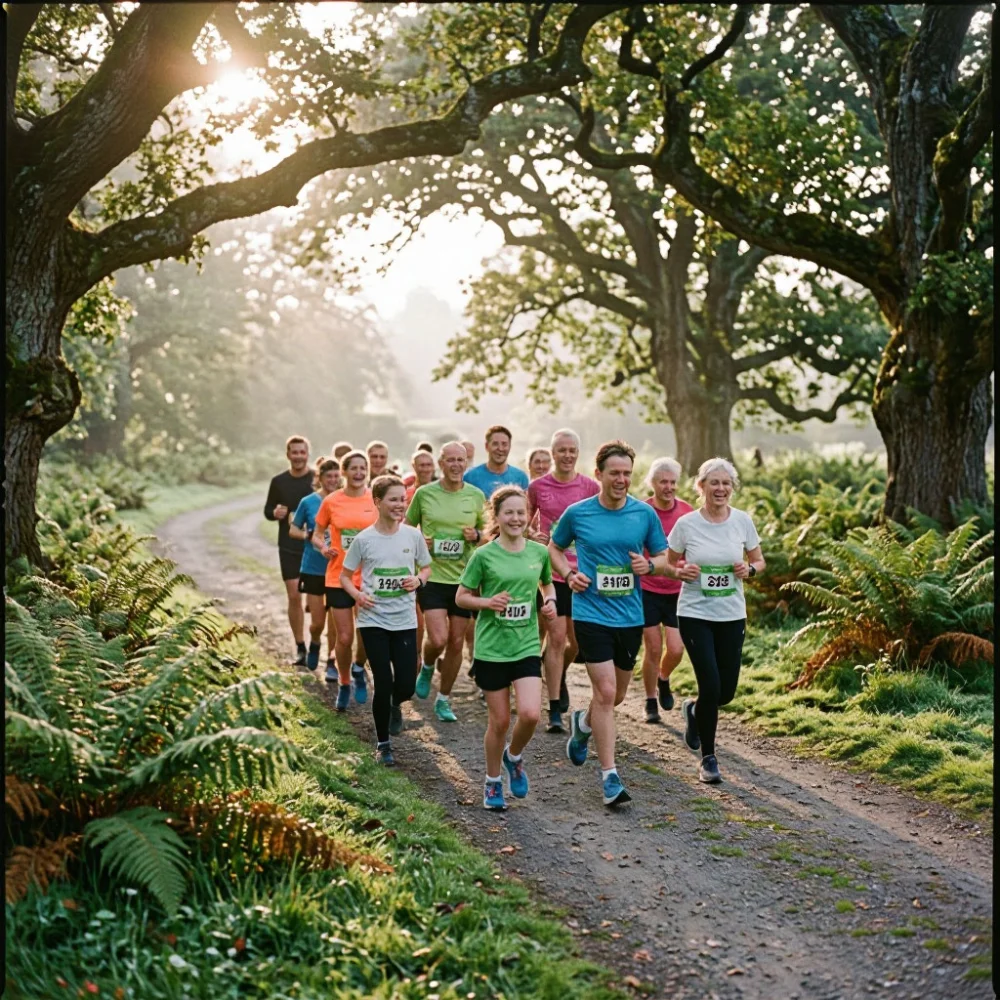
Parkrun Ireland is part of the global parkrun movement. It organises free, weekly, timed 5km runs at locations across Ireland . The first parkrun in the Republic of Ireland was held in Malahide on 10 November 2012 .
This was one of the first things I discovered after moving to Ireland, and it made a huge difference. Parkruns are open to everyone, regardless of ability. You can walk, jog, or run. The atmosphere is supportive and friendly, and the events are well-organised .
The parkrun website tells you where events are held, how to register, and what to expect. If you are new to Ireland and want to meet people while staying active, I cannot recommend this enough.
7. Mountaineering Ireland
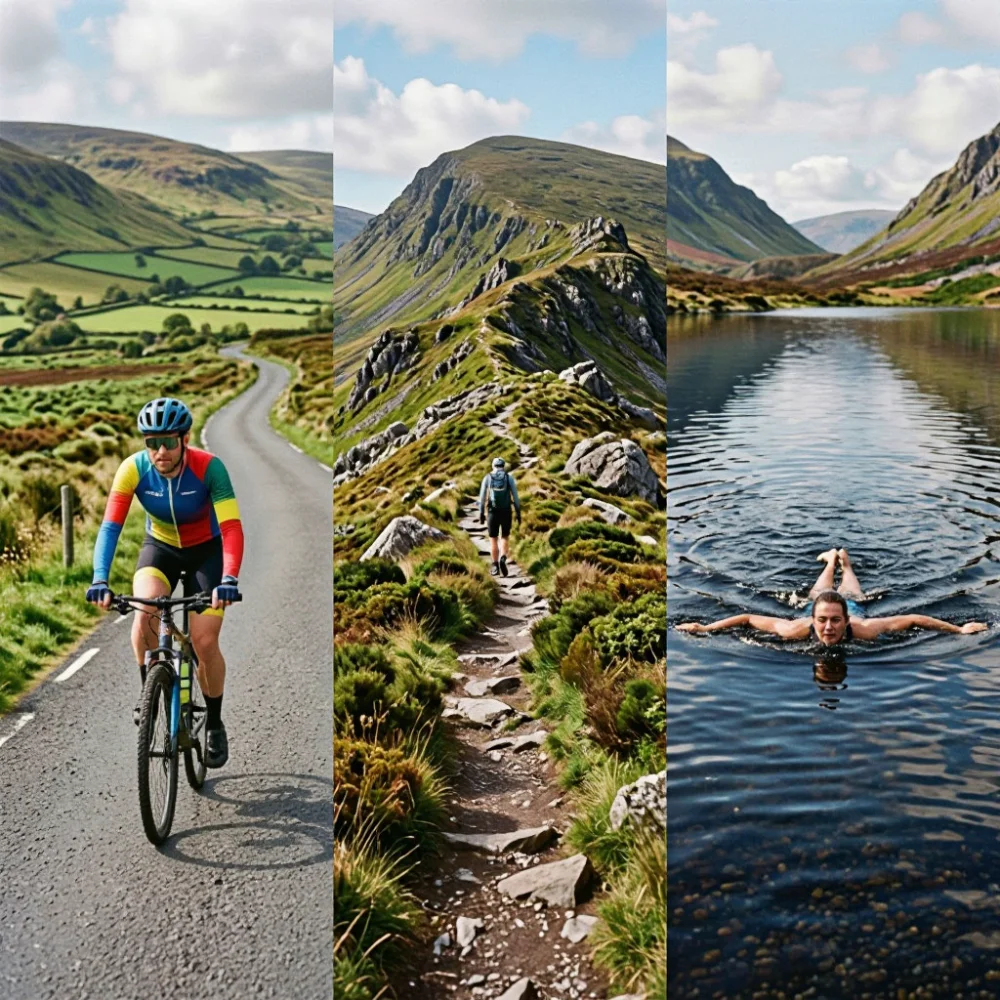
Mountaineering Ireland is the national representative body for hillwalkers, climbers, and ramblers in Ireland . In 2022, membership had risen to 15,843, with over 190 active clubs, 170 of which were primarily hillwalking clubs .
I found this organisation invaluable when I wanted to explore the Irish countryside more seriously. They provide information on events, training, safety, and access to walking and climbing areas . They also run a “Happy Hiking” programme, which in 2022 offered 34 days of training across 20 locations . It is a great way to get started safely.
8. Cycling Ireland
Cycling Ireland is the national governing body for cycling, recognised internationally by the UCI and UEC . With a membership of over 26,000 people and nearly 500 clubs, they sanction approximately 1,000 events and manage more than 200,000 event entries annually .
The Cycling Ireland website covers all cycling disciplines, from road racing and track cycling to mountain biking and BMX. I used it to find information about local cycling clubs and events. It is also a good source of information for anyone interested in leisure cycling.
9. Athletics Ireland
Athletics Ireland is the governing body for track and field, cross country, and road running in Ireland . Their website covers events, competitions, coaching, and schools programmes . It also provides a comprehensive list of athletics clubs across the country .
When I was looking for a running club, this was one of the sites I used. It gave me a clear list of clubs in my area and information about their training sessions. The website also covers the national championships and other major events.
10. Swim Ireland
Swim Ireland is the governing body for swimming, diving, water polo, and masters swimming in Ireland. I discovered this site when I was looking for a place to swim regularly after work.
The website provides information on clubs, competitions, and learn-to-swim programmes. It is also the place to go for information about competitive swimming in Ireland. Even if you are just a casual swimmer, it is worth checking for local pools and clubs.
Final Thoughts
Sport in Ireland is more than just recreation. It is community. It is culture. It is the shared experience of cheering for your county, your club, your team. Understanding it helps you understand the country.
The websites above cover the main sports and activities you will encounter. Some, like the GAA and IRFU, are steeped in tradition and are essential to Irish identity. Others, like Parkrun and Mountaineering Ireland, offer more casual ways to stay active and meet people.
If you are new to Ireland, my advice is to pick one that interests you and give it a try. Go to a match. Join a parkrun. Find a local club. You will not only get more active, you will also connect with the country in a way that goes beyond the usual tourist experience.
There is a community waiting for you. You just need to know where to find it.